
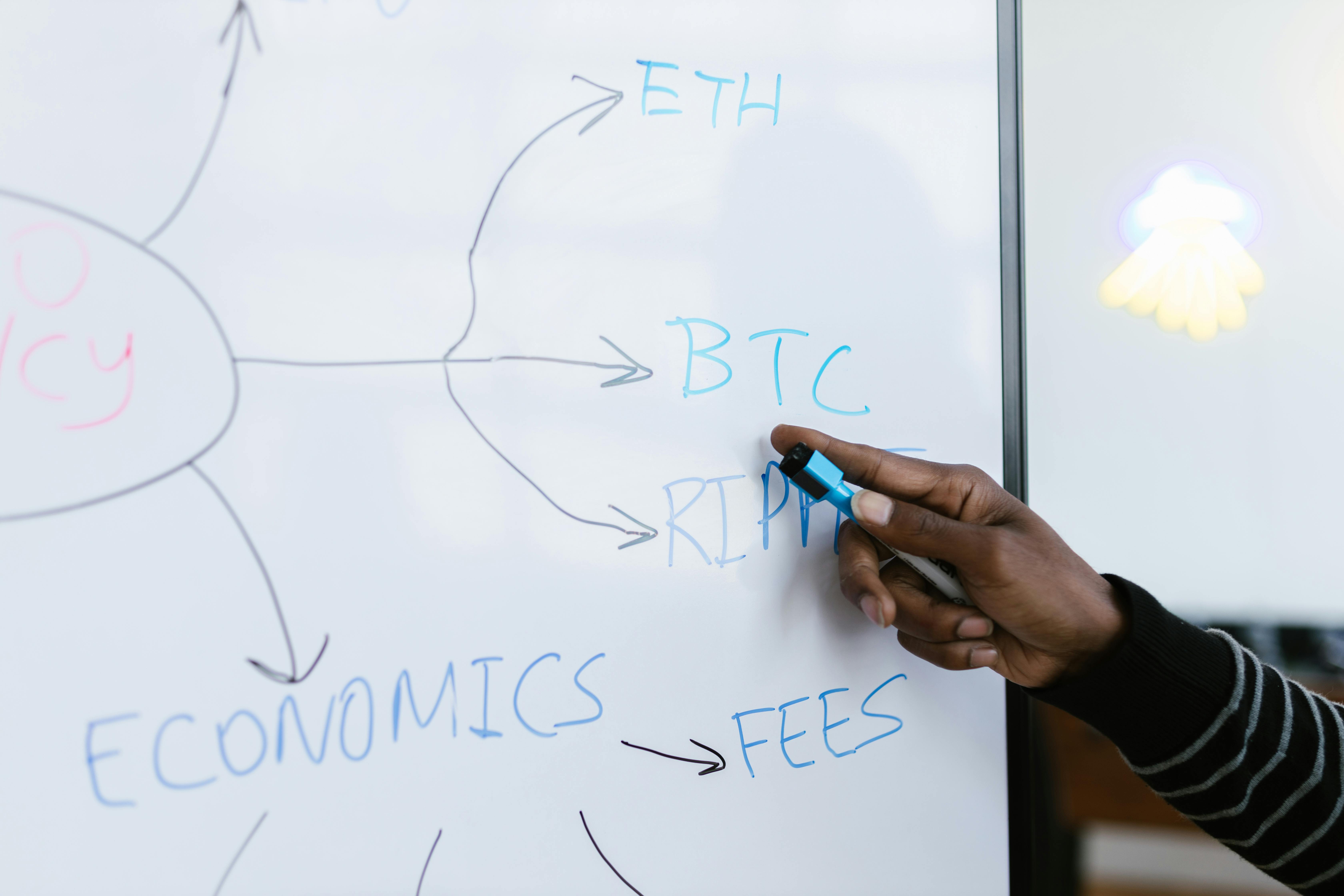
Discover the revolutionary power of Real-World Asset (RWA) tokenization in 2026. Learn how digital ownership of real estate, bonds, and private equity is democratizing finance, boosting liquidity, and offering unprecedented investment opportunities. Explore expert insights, compare leading platforms, and identify the best strategies for high-yield, diversified portfolios in this new era of digital assets.
Introduction to the Topic
Welcome to 2026, where the financial landscape has been irrevocably reshaped by a seismic shift: the tokenization of Real-World Assets (RWAs). For years, the promise of blockchain technology extending beyond pure cryptocurrencies was a distant dream. Now, it's a tangible reality, unlocking trillions of dollars in previously illiquid or inaccessible assets. From fractional ownership of luxury real estate and blue-chip art to digital bonds and private equity stakes, RWAs are transforming how we invest, manage, and transfer value. This isn't just a trend; it's the fundamental convergence of traditional finance (TradFi) with the speed, transparency, and efficiency of decentralized finance (DeFi). For the savvy investor looking to diversify, generate yield, and capitalize on the next wave of digital innovation, understanding and investing in tokenized RWAs is no longer optional – it's imperative for portfolio growth in 2026 and beyond.
Backgrounds & Facts
Real-World Assets encompass any tangible or intangible asset with inherent value that exists outside the blockchain – think real estate, commodities, private credit, fine art, intellectual property, and even entire businesses. Traditionally, investing in many of these assets has been plagued by high entry barriers, lengthy settlement times, geographical limitations, and a severe lack of liquidity. Imagine buying a fraction of a skyscraper or a corporate bond with instant settlement – this is the promise of RWA tokenization.
At its core, RWA tokenization involves representing ownership rights or economic interests of these physical assets as digital tokens on a blockchain. These tokens are programmable, divisible, and globally transferable, inheriting the blockchain's properties of transparency, immutability, and security. By 2026, the market for tokenized assets has surged, with major financial institutions, investment funds, and even central banks actively exploring or implementing tokenization strategies. Reports from leading financial analysts project the tokenized RWA market to exceed $10 trillion by the end of the decade, making it one of the fastest-growing sectors in the digital asset space. Early pioneers in 2024-2025 demonstrated the viability of tokenized government bonds, commercial real estate portfolios, and even carbon credits, laying the groundwork for today's expansive ecosystem. This innovation dramatically reduces transaction costs, democratizes access to exclusive asset classes, and introduces unprecedented liquidity to previously frozen capital, making it a cornerstone for any forward-looking investment strategy.
Expert Opinion / Analysis
The consensus among financial titans and blockchain luminaries in 2026 is clear: RWA tokenization is not just here to stay, but it's poised to become the dominant infrastructure for global finance. Dr. Anya Sharma, lead economist at 'Global Digital Capital', states, "We're witnessing the 'internet moment' for finance. Tokenized RWAs are breaking down archaic silos, allowing capital to flow with unprecedented efficiency and transparency. Institutional adoption is no longer a question of 'if', but 'how fast'."
Regulatory clarity, while still evolving in some jurisdictions, has seen significant progress. Major financial hubs like Singapore, Switzerland, and Dubai have established comprehensive frameworks for security tokens and digital asset platforms, providing the necessary legal certainty for institutional participation. This regulatory maturation has spurred the development of robust, compliant platforms that bridge the gap between traditional legal structures and blockchain technology. However, challenges remain: ensuring legal enforceability of tokenized ownership across diverse jurisdictions, managing the inherent volatility of underlying assets, and mitigating smart contract risks are areas that still require diligent due diligence from investors.
Furthermore, the integration of tokenized RWAs into DeFi protocols is creating innovative yield-generating opportunities. Investors can now use tokenized real estate as collateral for loans, participate in fractional ownership of high-value assets, and even earn staking rewards on tokenized private credit. This convergence unlocks new capital efficiencies and expands the utility of both TradFi assets and DeFi primitives, promising a future where your investment portfolio is truly borderless and dynamically managed.
💰 Best Options in Comparison (VERY IMPORTANT)
Navigating the RWA tokenization landscape in 2026 requires understanding the diverse platforms and protocols available. Your choice will depend on your risk appetite, investment goals, and preferred asset classes. Here are some of the best options for investing in tokenized Real-World Assets today:
-
1. Regulated RWA Investment Platforms (e.g., 'AssetStream Global', 'DigitalSecurities Pro')
These platforms are designed for both retail and institutional investors seeking compliant, user-friendly access to tokenized assets. They typically offer a curated selection of high-quality RWAs, including tokenized real estate, private equity funds, and corporate bonds. They prioritize regulatory adherence, KYC/AML procedures, and often provide integrated custody solutions. Ideal for investors who value security, ease of use, and a clear regulatory framework.
- Pros: High security, regulatory compliance, diverse asset offerings, professional support.
- Cons: Potentially higher fees, centralized control, limited asset customization.
-
2. DeFi Protocols for RWA Integration (e.g., 'YieldHarbor DAO', 'TokenizedLend')
For more crypto-native investors comfortable with decentralized applications, these protocols integrate tokenized RWAs into the broader DeFi ecosystem. They allow users to collateralize tokenized assets for loans, participate in liquidity pools, and earn yield through various DeFi strategies. These platforms often emphasize transparency through smart contracts and community governance. Best for those seeking higher potential yields and direct interaction with decentralized finance.
- Pros: Potentially higher yields, greater transparency, direct DeFi integration, innovative financial primitives.
- Cons: Higher smart contract risk, less regulatory oversight, steeper learning curve, potential impermanent loss.
-
3. Institutional-Grade Tokenization & Custody Solutions (e.g., 'Securitize Prime', 'Fireblocks RWA Suite')
Primarily aimed at institutional investors, asset managers, and corporations looking to tokenized their own assets or manage large portfolios of digital securities. These solutions offer robust infrastructure for issuance, lifecycle management, and secure custody of tokenized RWAs. They come with advanced features like multi-signature wallets, regulatory reporting, and enterprise-grade security. While not direct investment platforms for individuals, understanding these providers is key to the overall market infrastructure.
- Pros: Enterprise-grade security, comprehensive compliance tools, scalable infrastructure, bespoke solutions.
- Cons: Not for retail investors, high cost of entry, complex integration.
To help you compare, here's a detailed table:
| Feature | Regulated RWA Platforms | DeFi RWA Protocols | Institutional Solutions |
|---|---|---|---|
| Target User | Retail & Institutional Investors | Crypto-Native Investors, Developers | Corporations, Asset Managers, HNWIs |
| Asset Types | Real Estate, Bonds, Private Equity, Art | Collateralized Loans, Yield-bearing Assets | Broad Spectrum, Custom Issuance |
| Liquidity | Moderate to High (Secondary Markets) | High (DeFi Pools, Swaps) | Dependent on Issuer & Market |
| Regulatory Status | Highly Regulated, Compliant | Varying, less direct oversight | Enterprise-grade Compliance Tools |
| Fees Structure | Platform fees, transaction fees | Gas fees, protocol fees | Subscription, custom service fees |
| Key Differentiator | Ease of access, regulatory comfort | Innovative yield, decentralized control | Scalability, bespoke enterprise solutions |
Outlook & Trends
The future of RWA tokenization is bright and dynamic. By 2027-2028, we anticipate even greater institutional involvement, with major banks directly issuing tokenized versions of their financial products. The convergence of TradFi and DeFi will accelerate, leading to hybrid models that combine the best of both worlds – regulatory compliance with decentralized efficiency. Fractional ownership will expand into new, previously unimaginable asset classes, including intellectual property rights, carbon credits, and even future revenue streams from creative works. AI will play an increasingly critical role, enhancing the valuation, risk assessment, and automated management of tokenized assets. Furthermore, the development of cross-chain interoperability solutions will allow tokenized RWAs to seamlessly move between different blockchain networks, unlocking even greater liquidity and market reach. Expect further innovation in privacy-preserving technologies and Layer 2 scaling solutions, making RWA transactions faster, cheaper, and more private. The global harmonization of legal and regulatory frameworks will continue to be a key driver, fostering a truly global digital asset market.
Conclusion
Real-World Asset tokenization is not merely a technological advancement; it's a paradigm shift in how value is created, exchanged, and managed. In 2026, it represents one of the most compelling investment opportunities for those looking to build a high-performing, diversified portfolio. By breaking down barriers to entry and injecting unprecedented liquidity into traditional markets, RWAs are democratizing finance and opening doors to a new era of wealth creation. Whether you choose the regulated security of a dedicated RWA platform or the innovative yields of DeFi protocols, the time to explore tokenized assets is now. Do your due diligence, understand the risks, and position your portfolio for exponential growth in this exciting new frontier of digital finance. The future of investing is here, and it’s tokenized. Are you ready to seize it?