
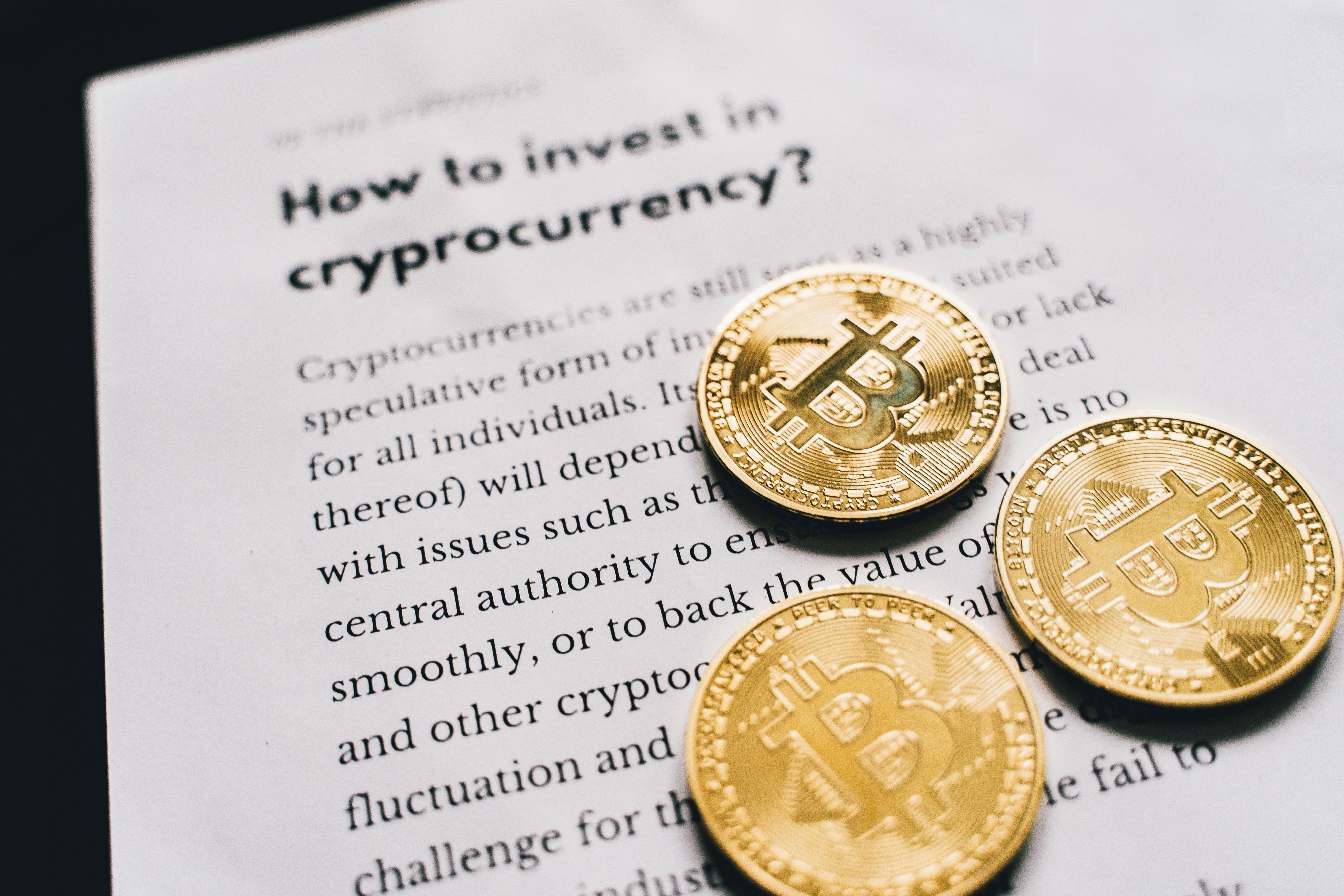
Discover how Real-World Asset (RWA) tokenization is revolutionizing investment in 2026, offering fractional ownership and enhanced liquidity for assets like real estate, gold, and private equity. This comprehensive guide compares leading RWA platforms, helping you navigate the booming digital asset market and optimize your portfolio for unprecedented growth and yield generation.
Introduction to the Topic
Welcome to 2026, where the lines between traditional finance (TradFi) and decentralized finance (DeFi) are not just blurring – they're dissolving. At the forefront of this financial revolution is Real-World Asset (RWA) Tokenization. Once a niche concept, tokenizing tangible and intangible assets like real estate, precious metals, private equity, and even intellectual property on a blockchain has exploded into a multi-trillion-dollar market. For savvy investors and institutions alike, RWA tokenization represents an unparalleled opportunity to unlock liquidity, democratize access to high-value investments, and generate new streams of yield.
The promise is simple yet profound: take illiquid, often exclusive assets, and convert them into digital tokens that can be bought, sold, and traded 24/7 on a global scale. This isn't just about efficiency; it's about redefining ownership, drastically lowering investment barriers, and creating a more transparent, accessible financial ecosystem. As we delve deeper into 2026, understanding the landscape of RWA tokenization platforms is no longer optional – it's essential for anyone looking to future-proof their portfolio and capitalize on crypto's most significant convergence with mainstream finance.
Backgrounds & Facts
At its core, RWA tokenization involves creating a digital representation (a token) of a real-world asset on a blockchain. This token carries all the rights and obligations associated with a share of that underlying asset, secured by smart contracts and the immutable ledger of the blockchain. The process typically involves legal structuring, asset valuation, token issuance, and often, the establishment of a robust oracle network to bridge real-world data with the blockchain.
The types of assets being tokenized are vast and growing:
- Real Estate: Commercial buildings, residential properties, land – offering fractional ownership and global investment opportunities.
- Precious Metals & Commodities: Gold, silver, oil – providing stable, asset-backed digital tokens.
- Private Equity & Venture Capital: Democratizing access to exclusive startup investments and private funds.
- Debt Instruments: Bonds, invoices, loans – enabling easier trading and liquidity for credit markets.
- Collectibles & Art: High-value items previously out of reach for most investors.
- Intellectual Property & Royalties: A burgeoning area allowing creators to tokenize future income streams.
The benefits are transformative: enhanced liquidity for traditionally illiquid assets, fractional ownership enabling smaller investment sizes, increased transparency through blockchain's public ledger, reduced transaction costs by cutting out intermediaries, and 24/7 global trading. By 2026, market analysts project the RWA tokenization market to easily surpass several trillion dollars, driven by institutional adoption, clearer regulatory frameworks, and increasing investor demand for diversified, yield-bearing digital assets. While challenges remain in legal enforceability and regulatory harmonization across jurisdictions, the momentum is undeniable, propelling RWA tokenization to the forefront of investment innovation.
Expert Opinion / Analysis
Leading financial strategists and blockchain pioneers are unanimous: RWA tokenization is not just a trend; it's a foundational shift. "By 2026, the notion of solely owning a physical deed or share certificate will seem antiquated," states Dr. Anya Sharma, CEO of Nexus Capital Analytics. "The efficiency, transparency, and global reach afforded by tokenized assets are simply too compelling for institutions to ignore. We're seeing major banks, asset managers, and sovereign wealth funds actively developing or integrating RWA solutions."
The regulatory landscape, while still evolving, has made significant strides by 2026. Jurisdictions like Switzerland, Singapore, and the UAE have established clear legal frameworks for digital securities, providing much-needed clarity and confidence for both issuers and investors. This regulatory progress is a critical catalyst for institutional adoption, ensuring investor protection and legal recourse for tokenized assets. Experts emphasize that platforms prioritizing robust compliance – including KYC/AML, accredited investor verification, and adherence to securities laws – are the ones poised for long-term success.
Furthermore, the integration of Artificial Intelligence (AI) is supercharging RWA analysis. AI algorithms are now routinely used for real-time asset valuation, risk assessment, fraud detection, and even predictive analytics for secondary market liquidity. "AI's ability to process vast datasets and identify patterns in RWA markets gives investors an unprecedented edge," explains Marcus Thorne, Head of Digital Assets at Global Wealth Management. "Coupled with blockchain's transparency, it creates a powerful synergy for smart, data-driven investment decisions." For the average investor, this means access to sophisticated tools and insights previously reserved for large institutions, democratizing the investment playing field like never before.
💰 Best Options in Comparison (VERY IMPORTANT)
Navigating the burgeoning RWA tokenization landscape in 2026 requires choosing the right platform for your investment goals. Here, we compare some of the leading platforms, each with unique strengths and asset focuses, designed to help you invest smarter and potentially earn more.
-
BlockEstate Pro: Your Gateway to Global Luxury Real Estate
Specialization: High-end commercial and residential real estate tokenization. BlockEstate Pro focuses on prime properties in major global cities, offering fractional ownership to a broad investor base. Their rigorous due diligence process ensures only high-quality, yield-generating assets are listed.
Key Features: Fractional ownership starting from as little as $500, robust legal compliance across multiple jurisdictions, a liquid secondary market for easy token trading, and integrated property management services. Investors can earn rental yields paid out in stablecoins and benefit from potential property appreciation.
Target User: Retail and accredited investors seeking exposure to appreciating real estate without the traditional high capital requirements or illiquidity. Ideal for portfolio diversification and passive income generation.
Pros: High-quality assets, strong regulatory adherence, user-friendly interface, active secondary market. Cons: Property-specific risks, minimum investments higher than some other RWA categories.
-
AurumChain: Digital Gold & Commodity Stability
Specialization: Tokenization of physical precious metals (gold, silver, platinum) and other commodities. AurumChain provides a secure, auditable way to hold real assets on the blockchain, backed by regularly audited physical reserves stored in secure vaults.
Key Features: 1:1 backing with physical assets, instant liquidity, low transaction fees, and verifiable proof of reserves. Tokens can often be used as collateral in DeFi protocols or redeemed for the physical asset (for larger holdings). A strong hedge against inflation and market volatility.
Target User: Investors looking for stable, asset-backed digital hedges, diversification away from volatile cryptocurrencies, and easy access to commodity markets. Ideal for long-term holders and those seeking a secure store of value.
Pros: High stability, transparency, low entry barrier, strong inflation hedge. Cons: Limited capital appreciation compared to growth assets, storage fees for physical assets may apply.
-
CapitaLink: Accessing Exclusive Private Equity & Debt
Specialization: Tokenization of private equity funds, venture capital stakes, and corporate debt. CapitaLink opens up traditionally exclusive investment opportunities to a broader pool of accredited and institutional investors.
Key Features: Access to high-growth private companies and structured debt offerings, potential for significant returns, sophisticated investor tools, and robust legal frameworks tailored for complex financial instruments. Strict KYC/AML and investor accreditation processes are in place.
Target User: Accredited investors, family offices, and institutions seeking high-yield opportunities in private markets, willing to commit to longer lock-up periods for potentially higher returns. Ideal for sophisticated investors seeking alpha beyond public markets.
Pros: Access to exclusive, high-potential investments, diversification into private markets, strong regulatory compliance. Cons: Higher minimum investment, lower liquidity compared to public markets, longer investment horizons.
-
DeFi Prime Assets (DPA): Community-Driven Diversified RWAs
Specialization: A decentralized, community-governed platform offering a diversified range of RWA pools, from tokenized invoices and carbon credits to fractionalized art and even tokenized intellectual property rights. DPA leverages DAO governance for asset selection and risk management.
Key Features: Diversified exposure to various RWA classes, community-driven asset vetting, integrated lending/borrowing protocols for yield generation on tokenized assets, and seamless integration with broader DeFi ecosystems. Focus on innovation and emerging asset classes.
Target User: DeFi natives and adventurous investors looking for innovative RWA exposure, higher yield opportunities, and active participation in platform governance. Ideal for those comfortable with the evolving nature of decentralized finance.
Pros: High diversification, innovative asset classes, strong yield potential, community-governed. Cons: Higher risk profile, regulatory clarity still evolving for some asset types, platform success depends on active community.
To help you compare, here's a detailed table of these leading RWA tokenization platforms:
| Platform | Primary Focus | Min. Investment | Reg. Compliance | Secondary Market | Blockchain(s) |
|---|---|---|---|---|---|
| BlockEstate Pro | Luxury Real Estate | $500 - $5,000+ | High (SEC/FINMA) | Yes, Active | Ethereum, Polygon |
| AurumChain | Gold, Silver, Commodities | $10 - $100+ | Moderate (Local) | Yes, Liquid | Solana, Stellar |
| CapitaLink | Private Equity, Debt | $10,000 - $100,000+ | Very High (Global) | Limited, OTC | Avalanche, Enterprise |
| DeFi Prime Assets | Diversified RWAs (Community-driven) | $50 - $1,000+ | Evolving (DAO) | Yes, Integrated DEX | Arbitrum, Base |
Outlook & Trends
The trajectory for RWA tokenization in the coming years is one of exponential growth and profound innovation. By 2026 and beyond, we anticipate several key trends shaping this dynamic sector:
- Enhanced Interoperability: Expect greater seamlessness between different RWA platforms and blockchains. Cross-chain bridges and standardized token protocols will allow for easier transfer and management of tokenized assets, expanding liquidity and market reach.
- Deepened DeFi Integration: Tokenized RWAs will become fundamental building blocks within the broader DeFi ecosystem. Lending protocols will accept a wider range of RWA tokens as collateral, decentralized exchanges (DEXs) will offer more sophisticated trading pairs, and yield farming opportunities will expand significantly, allowing investors to earn passive income on their real-world holdings.
- Global Regulatory Harmonization: While complexities remain, international bodies and leading nations will increasingly collaborate to establish more unified regulatory frameworks. This will reduce jurisdictional arbitrage and foster greater institutional confidence, attracting even larger capital flows.
- AI-Powered Due Diligence & Valuation: Artificial intelligence and machine learning will continue to revolutionize the asset origination and management process. AI will provide even more precise real-time valuations, enhanced risk assessments for underlying assets, and predictive analytics for market movements, making RWA investments smarter and more secure.
- Expansion into New Asset Classes: Beyond traditional assets, expect tokenization to extend into novel areas such as carbon credits, intellectual property licenses, esports team ownership, and even individual future income streams. This expansion will create entirely new investment markets and opportunities.
- Enterprise Adoption & Supply Chain Finance: Corporations will increasingly leverage RWA tokenization for supply chain finance, inventory management, and securitizing receivables, leading to more efficient and transparent business operations and new avenues for corporate financing.
The future of finance is inherently digital, and tokenized real-world assets are poised to be its cornerstone, offering unparalleled opportunities for growth and innovation.
Conclusion
Real-World Asset tokenization is not merely a buzzword; it is the definitive bridge connecting the vast value of traditional markets with the efficiency and innovation of blockchain technology. In 2026, it stands as one of the most compelling investment narratives, offering fractional ownership, enhanced liquidity, and unprecedented access to a diverse array of assets. Whether you're a seasoned investor looking to diversify your portfolio or a newcomer eager to participate in high-value markets, RWA platforms provide a robust pathway to achieve your financial goals.
As with any investment, due diligence is paramount. Research the platforms, understand the underlying assets, and assess the regulatory compliance and security measures in place. The opportunities presented by RWA tokenization are immense, promising a more inclusive, transparent, and profitable future for investors worldwide. Don't be left behind. Start exploring the world of tokenized real-world assets today and position your portfolio for the next era of financial growth!