
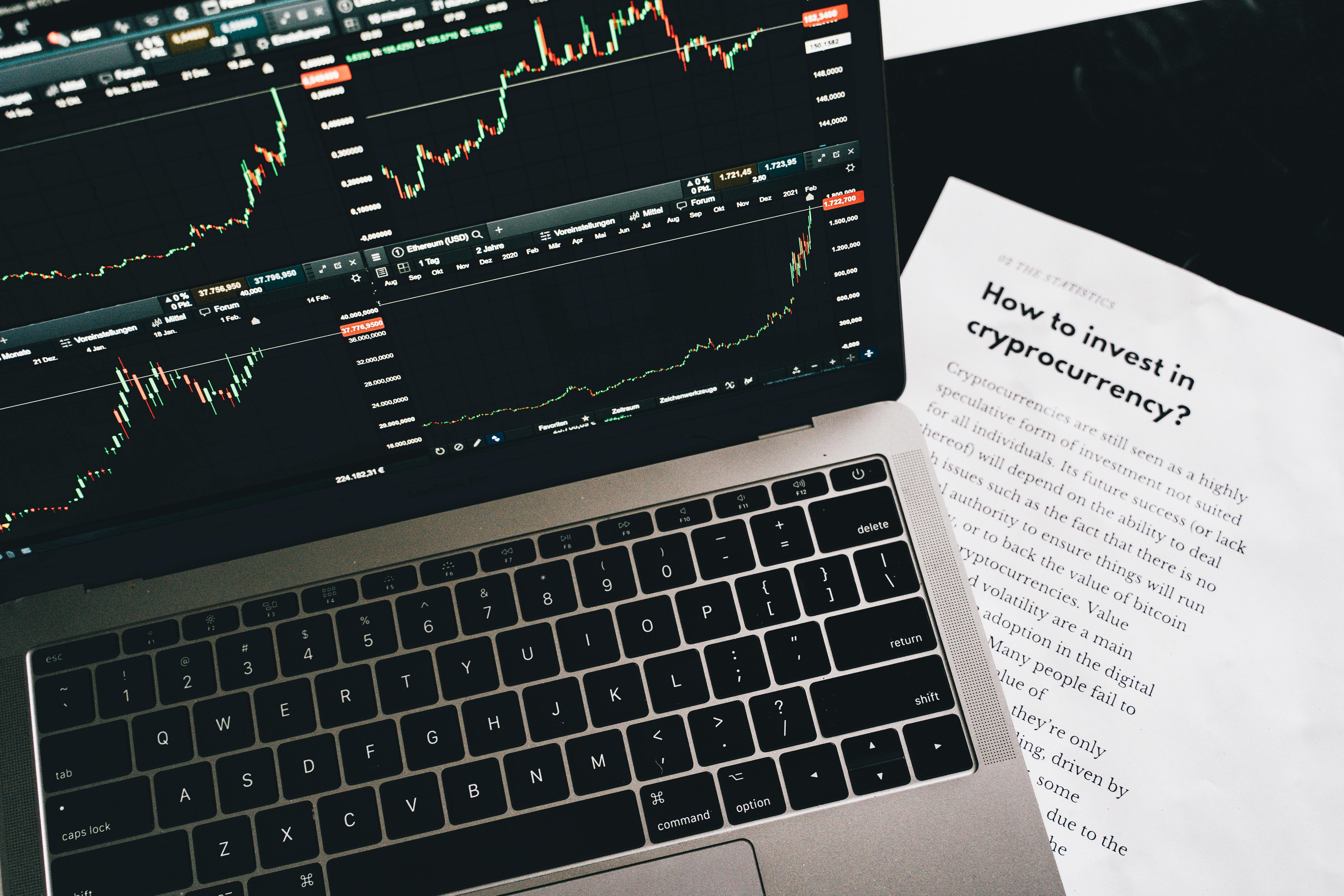
The year is 2026, and the world of investment is undergoing its most profound transformation in decades. Forget speculative memecoins; the real revolution is happening in Real-World Assets (RWAs) on the blockchain. From tokenized real estate and private equity to digital bonds and commodities, RWAs are unlocking unprecedented liquidity, fractional ownership, and global access to premium investment opportunities. Discover how this trillion-dollar market shift is redefining portfolios and where smart money is investing right now.
Introduction to the Topic
Welcome to 2026, where the digital frontier of finance has matured beyond its initial hype cycles. While the cryptocurrency space continues to innovate at breakneck speed, a seismic shift has taken hold, bridging the gap between traditional finance and blockchain technology: the tokenization of Real-World Assets (RWAs). This isn't just a niche trend; it's the inevitable evolution of ownership, liquidity, and investment access. RWAs represent physical or intangible assets—such as real estate, fine art, private equity, bonds, and even intellectual property—digitally represented on a blockchain. This process transforms illiquid assets into tradable, fractionalized tokens, opening them up to a global pool of investors who were previously excluded by high minimums, geographical barriers, or complex legal hurdles.
For the astute investor on portfoliohike.com, understanding RWA tokenization is no longer optional; it's a strategic imperative. The market for tokenized assets is projected to reach trillions of dollars by the end of the decade, according to institutions like Boston Consulting Group and Citibank. This article will guide you through the mechanics, benefits, and, most importantly, the leading platforms where you can start integrating these revolutionary assets into your portfolio today. Prepare to unlock a new era of investment opportunities designed for maximum returns and diversification.
Backgrounds & Facts
The concept of tokenizing assets isn't new, but 2026 marks a pivotal year for its widespread adoption. Early experiments faced regulatory uncertainties and technological immaturity. However, years of development, increasing regulatory clarity across major jurisdictions, and the maturation of secure, scalable blockchain infrastructure have paved the way for RWAs to move from experimental projects to mainstream investment vehicles.
At its core, RWA tokenization involves creating a digital representation (a token) of a real-world asset on a blockchain. This token can then be bought, sold, and transferred with the efficiency and transparency inherent to blockchain technology. Each token typically represents a fractional share of the underlying asset, allowing investors to own a piece of a high-value property or a bond with a much smaller capital outlay than traditionally required. The legal enforceability of these digital claims is often secured through sophisticated legal wrappers and smart contracts, which govern the rights and obligations of token holders.
Key benefits driving this revolution include:
- Fractional Ownership: Democratizing access to high-value assets like commercial real estate or private equity funds.
- Enhanced Liquidity: Transforming traditionally illiquid assets into easily tradable digital tokens, often on 24/7 markets.
- Transparency & Auditability: All transactions are recorded on an immutable ledger, reducing fraud and increasing trust.
- Reduced Costs: Streamlining intermediaries, legal fees, and administrative overhead associated with traditional asset transfers.
- Global Accessibility: Opening investment opportunities to a worldwide investor base, transcending geographical boundaries.
- Programmability: Smart contracts can automate dividend payments, interest distribution, and compliance checks, reducing manual errors and costs.
By 2026, we've seen major financial institutions like BlackRock, Fidelity, and JP Morgan actively exploring or deploying RWA solutions, signaling a definitive shift in how capital markets operate. The market cap for tokenized assets, while still nascent compared to traditional markets, has shown exponential growth, with projections placing it well into the multi-trillion-dollar range within the next five years. This isn't just crypto for crypto's sake; it's a fundamental upgrade to global finance.
Expert Opinion / Analysis
The sentiment among leading financial analysts and blockchain pioneers in 2026 is overwhelmingly bullish on RWA tokenization. “We’ve moved past the 'if' and are firmly in the 'how' phase for tokenized assets,” states Dr. Anya Sharma, Head of Digital Asset Strategy at Quantum Capital. “The regulatory sandbox environments of 2024-2025 have evolved into clear legal frameworks in key jurisdictions, providing the certainty institutional investors needed to dive in. This isn't just about efficiency; it's about unlocking trapped capital and creating entirely new asset classes.”
The convergence of traditional finance (TradFi) and decentralized finance (DeFi) is particularly evident in the RWA space. DeFi protocols are increasingly integrating tokenized real-world yields, offering investors new avenues for stable, predictable returns that are uncorrelated with the volatility often associated with native crypto assets. “Imagine earning yield on a tokenized U.S. Treasury bond within a DeFi lending protocol,” explains Mark Chen, CEO of FusionBlock Analytics. “That's the power of RWAs: marrying the security and stability of traditional assets with the innovation and accessibility of blockchain.”
However, challenges remain. While progress has been significant, issues surrounding legal enforceability across diverse international jurisdictions, the reliability of real-world asset valuation (especially for less liquid assets like art), and the need for robust oracle networks to bridge off-chain data with on-chain smart contracts are still areas of active development. Custody solutions for these hybrid assets also require specialized expertise, blending traditional asset management with digital security protocols. Despite these hurdles, the consensus is that the benefits far outweigh the complexities, and the industry is rapidly building the necessary infrastructure to overcome them. For portfolio managers, RWAs offer a powerful tool for diversification, risk mitigation, and accessing previously inaccessible alpha-generating opportunities.
💰 Best Options in Comparison (VERY IMPORTANT)
For investors looking to capitalize on the RWA revolution, choosing the right platform is paramount. The landscape is diverse, catering to different asset classes and investor profiles. Here are some of the leading types of platforms and examples that are defining the RWA investment space in 2026, offering compelling opportunities for portfolio growth and diversification:
-
Tokenized Real Estate Platforms (e.g., RealEstateX, BlockEstate)
These platforms specialize in fractionalizing real estate properties, from residential units to commercial buildings and development projects. They offer investors the chance to own a piece of high-value property without the massive capital outlay, management headaches, or geographical restrictions of traditional real estate. Yields can come from rental income, capital appreciation, or a combination of both. They often prioritize regulatory compliance for property ownership and transfer.
-
Tokenized Debt & Credit Protocols (e.g., YieldChain, BondFlow)
Focusing on more traditional financial instruments, these platforms tokenize debt, bonds, and even private credit facilities. Investors can gain exposure to stable, yield-bearing assets like government bonds, corporate debt, or structured credit products, often with higher liquidity than their traditional counterparts. These platforms are increasingly popular for integrating stable, real-world yields into DeFi strategies, offering a hedge against crypto market volatility.
-
Institutional-Grade Tokenization Hubs (e.g., AssetVault, SecuriGlobal)
These comprehensive platforms cater to a broader range of assets, including private equity, venture capital funds, commodities, and even intellectual property. They are designed with institutional clients and high-net-worth individuals in mind, offering robust compliance frameworks, advanced custody solutions, and often white-glove service. They facilitate large-scale tokenization projects and provide access to exclusive, previously inaccessible investment classes.
To help you navigate these options, here's a comparative overview of key features:
| Feature | Real Estate Platforms | Debt & Credit Protocols | Institutional Hubs |
|---|---|---|---|
| Primary Asset Types | Residential & Commercial Property, Development Projects | Government Bonds, Corporate Debt, Private Credit | Private Equity, VC Funds, Commodities, IP, Diverse Assets |
| Minimum Investment | Low (e.g., $100 - $1,000) | Moderate (e.g., $500 - $5,000) | High (e.g., $10,000+) |
| Target Investor | Retail, Accredited Investors | Retail, Accredited, Institutional | Accredited, Institutional |
| Liquidity | Moderate (secondary markets emerging) | High (active secondary markets) | Moderate to High (depending on asset) |
| Typical Yield/Return | Rental Yield + Appreciation (5-15% p.a.) | Fixed Interest Rates (4-10% p.a.) | Asset-Specific (e.g., PE 15-30% IRR) |
| Regulatory Focus | Property laws, securities regulations | Securities regulations, debt instruments | Global securities, financial compliance |
Outlook & Trends
The trajectory for RWA tokenization in the coming years is one of accelerated growth and deeper integration into the global financial fabric. By 2026, several key trends are firmly established:
- Interoperability & Cross-Chain Solutions: As more RWAs are tokenized across various blockchains (Ethereum, Solana, Avalanche, etc.), the demand for seamless cross-chain transfers and unified liquidity will drive innovation in bridging solutions and modular blockchain architectures.
- AI Integration: Artificial intelligence will play an increasingly vital role in RWA platforms, from real-time asset valuation and risk assessment to automated compliance monitoring and personalized investment recommendations. Predictive analytics powered by AI will enhance due diligence and market efficiency.
- Novel Asset Classes: Beyond traditional assets, we'll see the tokenization of increasingly niche and innovative assets. Think tokenized carbon credits for environmental impact investing, intellectual property royalties for creators, or even fractional ownership of luxury goods and collectibles on a grander scale.
- CBDC & Stablecoin Nexus: The proliferation of central bank digital currencies (CBDCs) and regulated stablecoins will provide a robust, low-cost settlement layer for RWA transactions, further solidifying their position within the mainstream financial system. This will simplify payment rails and reduce foreign exchange friction.
- Enhanced Regulatory Clarity: Expect further harmonization of international regulations, making it easier for tokenized assets to be bought and sold across borders, attracting even more institutional capital. Jurisdictions competing to be RWA hubs will lead to clearer legal frameworks.
- DePIN Convergence: Decentralized Physical Infrastructure Networks (DePIN) will increasingly leverage RWA tokenization to fund and operate real-world infrastructure, from wireless networks to energy grids, providing new utility and investment models.
The future of finance is increasingly digital, and RWAs are at the forefront of this evolution, offering both stability and groundbreaking opportunities.
Conclusion
The year 2026 marks a turning point for investors. The tokenization of Real-World Assets is no longer a futuristic concept but a present-day reality offering unparalleled opportunities for portfolio diversification, enhanced liquidity, and access to previously exclusive markets. By fractionalizing high-value assets and making them globally accessible on the blockchain, RWAs are democratizing wealth creation and redefining the very nature of investment.
For readers of portfoliohike.com, the message is clear: ignoring RWAs means leaving significant potential returns on the table. Whether you're a seasoned institutional investor or an ambitious retail participant, integrating tokenized real estate, digital bonds, or fractionalized private equity into your strategy is essential for thriving in this new financial paradigm. Conduct your due diligence, explore the leading platforms, and position your portfolio to capture the immense value being unlocked by this trillion-dollar tsunami. The future of investing is here, and it's tokenized. Don't be left behind.