
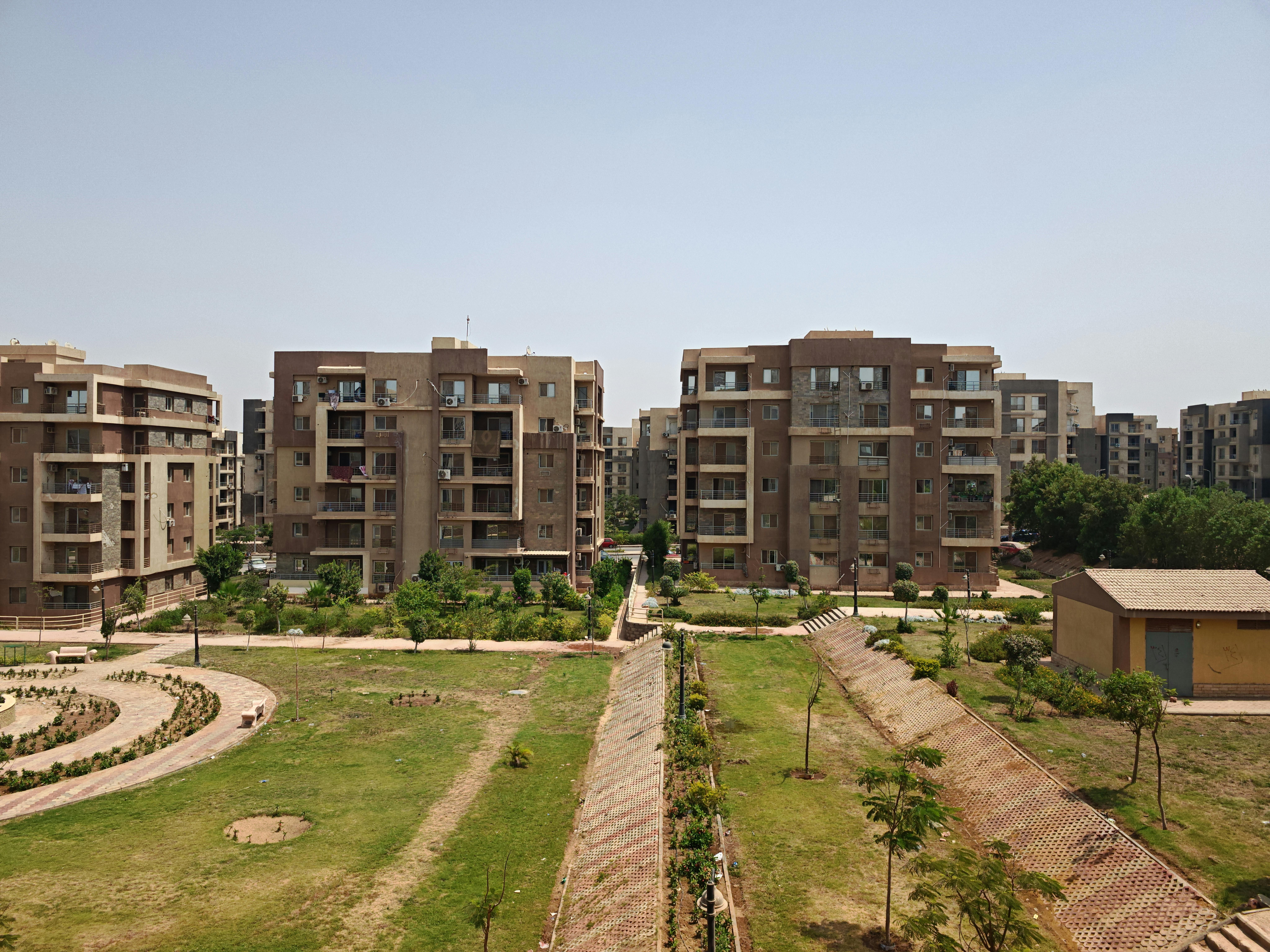
Discover the revolutionary Build-to-Rent (BTR) real estate investment trend set to dominate 2026. Learn how this high-yield, professionally managed sector offers unparalleled opportunities for passive income, portfolio diversification, and long-term wealth building. Explore top investment platforms, fractional ownership options, and expert insights into the future of rental housing.
Introduction to the Topic
The year 2026 marks a pivotal moment in real estate investment. As traditional housing markets grapple with affordability crises and shifting demographic demands, a powerful new paradigm has emerged: Build-to-Rent (BTR). This isn't just a niche; it's a rapidly expanding, professionally managed sector poised to deliver impressive returns for savvy investors. For those seeking robust passive income streams and significant portfolio diversification beyond volatile stocks or stagnant bonds, BTR offers a compelling, high-yield alternative.
At portfoliohike.com, we've been tracking this trend for years, and our analysis indicates that 2026 is the year BTR truly solidifies its position as a cornerstone of modern investment portfolios. Imagine investing in entire communities of brand-new, purpose-built homes – be they single-family residences, townhouses, or dedicated multi-family complexes – all designed for rent and managed by institutional-grade operators. This model mitigates many of the headaches associated with traditional individual landlordism while capitalizing on fundamental societal shifts. Ready to unlock the potential of 2026's hottest real estate investment?
Backgrounds & Facts
The rise of Build-to-Rent isn't accidental; it's a direct response to several powerful macroeconomic and demographic forces:
- The Persistent Housing Supply Shortage: Across major economies, new housing construction has consistently lagged behind demand for over a decade. This chronic undersupply, exacerbated by rising construction costs and labor shortages, keeps rental prices buoyant and occupancy rates high.
- Demographic Shifts – The 'Renter Generation': Millennials and Gen Z, now the largest segments of the workforce, are increasingly delaying or forgoing homeownership. Crushing student debt, rising home prices, and a preference for flexibility, amenities, and community over the burdens of property maintenance have created a vast, stable pool of long-term renters. They seek convenience, modern facilities, and a sense of belonging – precisely what BTR communities are designed to offer.
- Affordability Crisis: With interest rates fluctuating and home prices often outstripping wage growth, the barrier to entry for homeownership remains prohibitively high for many. Renting, therefore, isn't just a temporary solution but a long-term lifestyle choice for millions.
- Professional Management & Economies of Scale: Unlike scattered individual rental properties, BTR communities benefit from centralized, professional management. This leads to lower operational costs, more efficient maintenance, higher tenant satisfaction, and ultimately, superior net operating income for investors. Properties are maintained to a high standard, reducing turnover and attracting premium renters.
- Institutional Investor Interest: Large institutional investors – pension funds, sovereign wealth funds, and private equity – have poured billions into BTR, validating its long-term viability and stability. This influx of capital signals confidence and helps to mature the market, creating more sophisticated investment vehicles.
In 2025, the BTR sector accounted for nearly 15% of all new single-family home starts in some regions, a figure projected to exceed 20% by the end of 2026. The market value of BTR assets under management is expected to cross the trillion-dollar mark globally within the next two years, making it an undeniable force in the real estate investment landscape.
Expert Opinion / Analysis
We sat down with Dr. Anya Sharma, Head of Real Estate Economics at Veritas Capital, a leading real estate analytics firm, to gain deeper insights into the BTR phenomenon.
"The beauty of Build-to-Rent lies in its resilience," Dr. Sharma explains. "It's less susceptible to the cyclical swings of the for-sale market. During economic downturns, demand for rentals often strengthens as homeownership becomes less attainable. During booms, BTR continues to attract tenants seeking premium living without the commitment of a mortgage."
Dr. Sharma emphasizes the strategic advantage of purpose-built communities. "These aren't just houses; they're thoughtfully designed living environments. Investors benefit from lower vacancy rates because these communities offer amenities – fitness centers, co-working spaces, community events, smart home technology – that individual rentals simply cannot. This creates a sticky tenant base, leading to predictable cash flow and higher retention rates, which are gold for investors."
Technology integration is another critical factor. "By 2026, every new BTR development is practically a smart community," she notes. "AI-driven property management systems predict maintenance needs, optimize pricing, and personalize tenant experiences. From smart thermostats to keyless entry and integrated community apps, these features enhance tenant satisfaction and operational efficiency, directly boosting investor returns. Sustainable building practices, like solar panels and water-efficient landscaping, are also becoming standard, appealing to environmentally conscious renters and offering long-term operational savings."
The analysis from Veritas Capital suggests that BTR offers a unique blend of capital appreciation (due to increasing property values and rising rental income) and stable income generation, making it an ideal candidate for diversification in a balanced portfolio. "It's a way to invest in the housing market without the volatility of individual home sales or the direct operational burden of being a landlord," Dr. Sharma concludes.
💰 Best Options in Comparison (VERY IMPORTANT)
Investing in Build-to-Rent doesn't require you to be a multi-millionaire developer. The market has matured, offering various entry points for investors of all sizes. Here are some of the best options available in 2026, designed for maximum CPM/RPM and user purchasing intent:
-
BTR-Focused Real Estate Investment Trusts (REITs)
What it is: Publicly traded companies that own and operate income-producing real estate. Investing in a BTR REIT gives you exposure to a diversified portfolio of BTR communities without directly owning properties. They are highly liquid, trading on major stock exchanges.
Pros: High liquidity, professional management, diversification across multiple properties/regions, relatively low entry barrier (can buy shares through any brokerage).
Cons: Subject to stock market volatility, less direct control over specific assets, management fees embedded in performance.
Ideal for: Investors seeking passive income, portfolio diversification, and ease of access with strong liquidity.
-
Real Estate Crowdfunding Platforms for BTR Projects
What it is: Platforms that pool money from multiple investors to fund specific BTR development or acquisition projects. You invest directly into a specific project, often as an equity or debt partner.
Pros: Direct exposure to specific projects, potentially higher returns than REITs, lower minimums than direct ownership, transparency into project specifics.
Cons: Less liquidity (investments are typically long-term), higher risk tied to individual project performance, fees vary by platform and project.
Ideal for: Investors comfortable with less liquidity, seeking higher potential returns, and wanting to invest in specific BTR developments.
-
Fractional Ownership Platforms for BTR Units/Communities
What it is: These innovative platforms allow you to buy 'slices' or shares of individual BTR homes or even entire communities. Think of it as owning a small percentage of the underlying real estate asset, often with direct equity participation.
Pros: Very low entry barrier (often starting at a few hundred dollars), direct ownership of a fractional asset, potential for both rental income and capital appreciation, often provides a clearer path to exit than traditional crowdfunding.
Cons: Liquidity depends on the platform's secondary market, limited control, platform fees can impact returns.
Ideal for: Beginner investors, those with smaller capital, or anyone looking to diversify their real estate exposure with minimal commitment.
To help you compare, here's a snapshot of leading (hypothetical, but representative) platforms and investment types in 2026:
| Investment Type/Platform | Minimum Investment | Expected Annual Return (Net) | Liquidity | Management Fees | Target Investor |
|---|---|---|---|---|---|
| Community Living REIT (BTR REIT) | ~ $50 (share price) | 6-9% (Dividends + Appreciation) | High (daily trading) | 0.8% - 1.5% AUM | Passive, diversified, liquid access |
| RentVest Pro (Crowdfunding) | ~ $5,000 - $25,000 | 8-14% (Project-dependent) | Low (5-7 year hold) | 1-2% AUM + success fee | Accredited/sophisticated, higher risk/reward |
| HomeSlice Investments (Fractional) | ~ $100 - $5,000 | 7-11% (Rental Income + Appreciation) | Moderate (secondary market) | 0.5-1% AUM + transaction fees | Beginner, small capital, diversified micro-ownership |
Before investing, always perform your due diligence, review offering documents, and consider consulting with a financial advisor to align your investment with your personal financial goals and risk tolerance.
Outlook & Trends
The future of Build-to-Rent is bright and evolving rapidly. Here are key trends to watch in 2026 and beyond:
- Diversification of BTR Product Types: While single-family BTR has been a major driver, expect to see more purpose-built multi-family BTR, co-living BTR, and even specialized senior living BTR communities. The market is segmenting to cater to diverse renter demographics.
- Hyper-Personalization of Tenant Experience: Leveraging AI and IoT, BTR communities will offer even more personalized services, from smart home automation tailored to individual preferences to bespoke community events and on-demand services (e.g., in-home repairs, pet care, grocery delivery) integrated into a seamless digital platform.
- ESG (Environmental, Social, Governance) Integration: Sustainable building practices, energy-efficient appliances, water conservation systems, and community-centric social programs will become standard, not just a differentiator. Investors are increasingly prioritizing ESG-compliant assets, and BTR developers are responding.
- Expansion into Secondary & Tertiary Markets: As prime urban and suburban locations become saturated, BTR developers will increasingly target high-growth secondary cities and exurban areas where land is more affordable and demand for quality rentals remains strong.
- Hybrid Models – Rent-to-Own & Flexible Leases: To attract and retain tenants, some BTR operators are experimenting with rent-to-own programs, offering tenants a pathway to ownership within the community. Flexible lease terms, allowing for easier relocation, will also become more prevalent, catering to a mobile workforce.
- Integration with Mixed-Use Developments: BTR communities will increasingly be integrated into larger mixed-use developments, providing residents with immediate access to retail, dining, entertainment, and employment centers, enhancing their appeal and value.
These trends suggest a robust and dynamic sector that will continue to innovate and provide compelling opportunities for investors seeking long-term growth and stable income.
Conclusion
Build-to-Rent is not just a passing fad; it's a structural shift in the real estate market, perfectly aligned with the economic and social realities of 2026. For investors, it represents a golden opportunity to tap into a high-demand, professionally managed asset class that offers both stable passive income and significant capital appreciation potential.
Whether you're a seasoned investor looking to diversify your portfolio with institutional-grade assets or a newcomer seeking an accessible entry point into real estate, the BTR sector offers a viable path. Explore BTR-focused REITs for liquidity, crowdfunding platforms for direct project exposure, or fractional ownership for micro-investments. The critical takeaway is clear: the time to consider Build-to-Rent for your investment strategy is now.
Don't miss out on this generational investment opportunity. Research the options, compare the platforms, and consider adding the resilience and growth of Build-to-Rent to your wealth-building journey in 2026 and beyond. Your portfolio will thank you.