
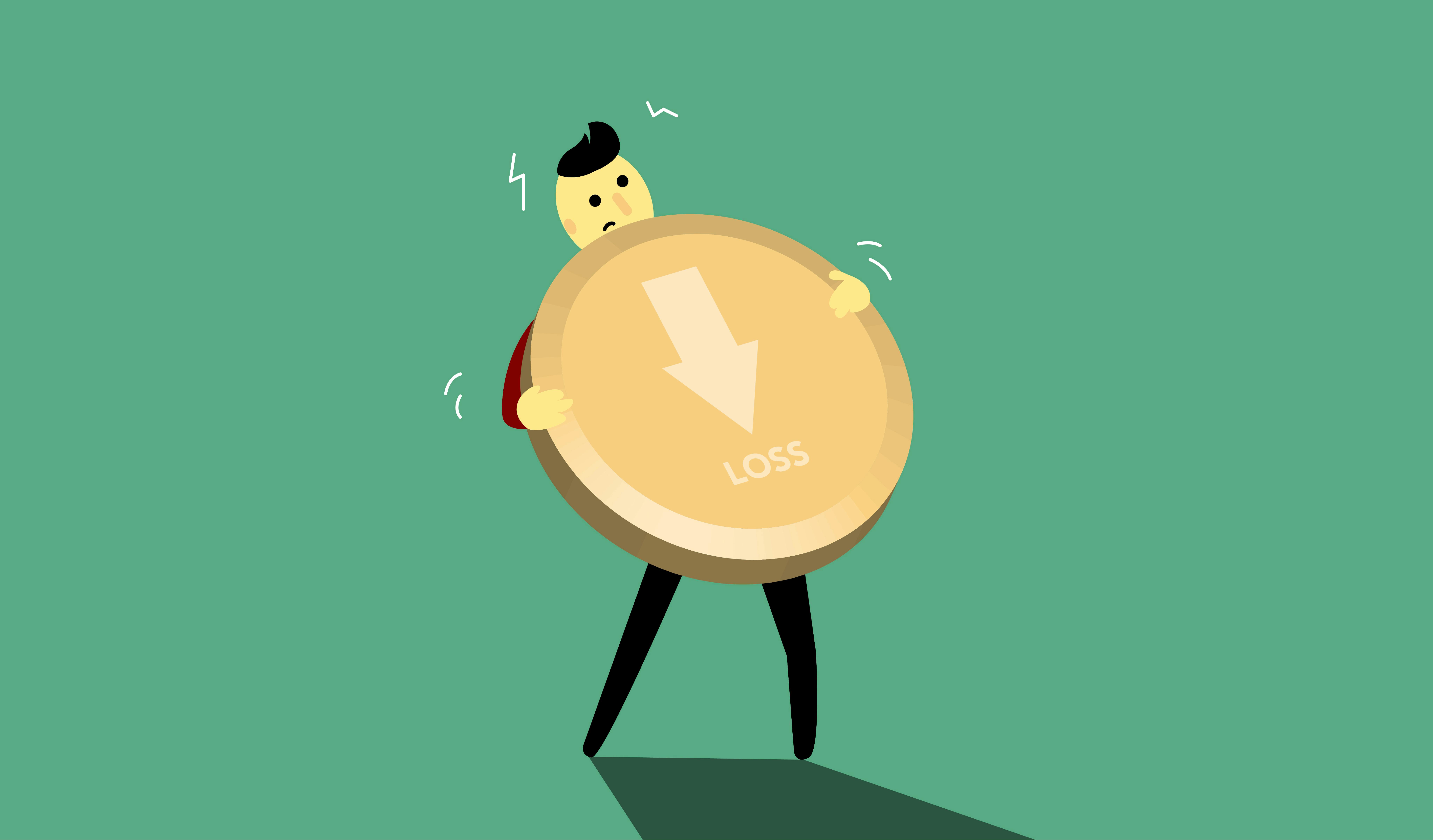
In 2026, navigating the complex world of personal finance requires cutting-edge debt management. Discover how to consolidate high-interest debt, leverage AI-powered tools, and compare the best debt relief services, credit counseling, and personal loan options to achieve financial freedom and optimize your wealth-building portfolio. Get ready to transform your financial future.
Introduction to the Topic
Welcome to 2026, a year where economic shifts, technological advancements, and evolving consumer habits have reshaped the landscape of personal debt. The echoes of past inflation and the rise of new digital currencies have left many grappling with persistent financial burdens, making effective debt management not just a prudent choice, but an absolute necessity for financial stability and growth. At portfoliohike.com, we understand that debt isn't just a number; it's a barrier to your dreams, your investments, and ultimately, your financial freedom.
This comprehensive guide dives deep into the most effective and innovative debt management strategies available today. We're moving beyond conventional advice to explore how you can strategically tackle your debt, reduce interest payments, improve your credit score, and free up capital to invest in your future. Whether you're drowning in credit card debt, struggling with personal loans, or looking to optimize your student loan repayments, the insights and solutions presented here are designed to empower you to take control and build a robust financial portfolio.
Backgrounds & Facts
The year 2026 presents a unique set of challenges and opportunities in the realm of personal finance. Consumer debt levels, particularly in high-interest categories like credit cards and unsecured personal loans, have continued their upward trajectory for many households, driven by persistent cost-of-living increases and an appetite for instant gratification fueled by advanced digital purchasing options. Data from leading financial institutions indicates that the average household debt, excluding mortgages, has reached an all-time high, with a significant portion being revolving credit carrying annual percentage rates (APRs) well into the double digits.
The psychological toll of debt is also more recognized than ever. Studies show a direct correlation between high debt levels and increased stress, anxiety, and reduced overall well-being. This isn't just about numbers; it's about quality of life. Furthermore, the rise of AI in lending and financial services means that your credit profile is under constant scrutiny, making proactive debt management more critical than ever to secure favorable rates for future loans, mortgages, or even insurance premiums.
The good news is that 2026 also brings forth an array of sophisticated tools and services designed to combat these challenges. From hyper-personalized budgeting apps powered by machine learning to fintech platforms offering highly competitive debt consolidation loans and automated payment optimization, the solutions for achieving debt relief are more accessible and effective than ever before. Understanding these shifts is the first step towards leveraging them for your financial advantage.
Expert Opinion / Analysis
“The traditional approaches to debt management often felt like patching a leaky boat with duct tape,” explains Dr. Anya Sharma, a leading financial economist and contributor to portfoliohike.com. “In 2026, the game has changed. We're seeing a paradigm shift towards proactive, data-driven strategies that empower individuals with real-time insights and tailored solutions.”
According to Dr. Sharma, the key to successful debt management now lies in a multi-pronged approach. “It's no longer just about cutting expenses; it's about strategically restructuring your debt, negotiating better terms, and utilizing technology to automate your path to financial freedom. The 'debt snowball' and 'debt avalanche' methods are still foundational, but they're significantly amplified by AI-powered budgeting apps and smart refinancing options that were unimaginable a decade ago.”
Experts also highlight the critical importance of a holistic view. “Many people focus solely on the principal amount, but the true enemy is high-interest rates,” adds Michael Chen, a certified financial planner specializing in debt restructuring. “By consolidating high-interest credit card debt into a lower-APR personal loan or engaging with a reputable credit counseling service, consumers can drastically reduce the total cost of their debt and accelerate their repayment schedule. It’s about being smart with your money, not just frugal.” The consensus among financial advisors is clear: embracing modern debt management tools and personalized financial planning is no longer optional; it's essential for anyone serious about building lasting wealth in today's economic climate.
💰 Best Options in Comparison (VERY IMPORTANT)
Navigating the myriad of debt management solutions can be overwhelming. To help you make informed decisions and find the best fit for your unique financial situation, we've analyzed the top options available in 2026, focusing on their effectiveness, cost, and impact on your journey to financial freedom. Each option offers distinct advantages, catering to different debt profiles and financial goals.
-
Debt Consolidation Loans (FinTech-Powered)
These are perhaps the most popular choice for individuals with multiple high-interest debts, such as credit cards or personal loans. In 2026, fintech lenders offer highly competitive rates and streamlined, AI-driven application processes, often providing approvals in minutes. By taking out a single, lower-interest loan to pay off several smaller debts, you simplify your payments and reduce your overall interest burden. This can free up significant cash flow for investing or other financial goals.
-
Credit Counseling Services (Non-Profit & Digital)
Reputable non-profit credit counseling agencies offer personalized debt management plans (DMPs). Counselors negotiate with your creditors on your behalf to reduce interest rates and monthly payments. While DMPs don't typically reduce the principal, they provide structured repayment and significant relief from high-interest charges. Many now offer fully digital consultations, making access easier than ever.
-
Debt Settlement Programs
Debt settlement involves negotiating with creditors to pay a lump sum that is less than the full amount owed. This option is generally considered a last resort for those facing significant financial hardship and who cannot afford their minimum payments. While it can reduce the principal, it often negatively impacts your credit score for several years and may incur significant fees.
-
Balance Transfer Credit Cards (Extended 0% APR)
For those with excellent credit and manageable credit card debt, a balance transfer card can be a powerful tool. Many cards in 2026 offer extended 0% APR periods – some up to 24 months – allowing you to pay down your principal without accruing interest. Be mindful of transfer fees and ensure you can pay off the balance before the promotional period ends.
-
Automated Debt Management Platforms & Budgeting Apps
The rise of AI has revolutionized personal finance. Platforms like 'DebtPilot AI' or 'FreedomFlow' use algorithms to analyze your spending, optimize payment strategies (e.g., 'debt avalanche' automatically), and even predict future financial stress points. These tools provide real-time insights and behavioral nudges to keep you on track, often integrating with investment platforms for a holistic financial view.
Also integrate a clear HTML table comparing the key points, tools, or alternatives.
| Solution | Target Debt Type | Credit Impact | Cost/Fees | Timeframe | Best For |
|---|---|---|---|---|---|
| Debt Consolidation Loan | High-interest credit cards, personal loans | Initial dip, improves with timely payments | Interest on new loan, potential origination fees | 1-7 years | Good credit, multiple debts, desire for single payment |
| Credit Counseling Services | Unsecured debts (credit cards, medical bills) | Minimal negative, potentially positive with structured payments | Small monthly fees, sometimes waived | 3-5 years | Multiple debts, struggling with payments, needs guidance |
| Debt Settlement Programs | Large unsecured debts (credit cards, personal loans) | Significant negative impact (7+ years) | Percentage of settled debt (15-25%) | 2-4 years | Severe financial hardship, unable to make minimum payments |
| Balance Transfer Credit Cards | Credit card debt | Minimal if managed, improves with repayment | Balance transfer fee (3-5%), potential interest after 0% APR | 6-24 months (0% APR period) | Excellent credit, disciplined, can pay off during 0% APR |
| Automated Debt Management Platforms | All types of debt (tracking & optimizing) | Positive with consistent use, no direct impact | Subscription fees (free to $20/month) | Ongoing | Anyone seeking organization, automation, and behavioral finance insights |
Outlook & Trends
The future of debt management in 2026 and beyond is undeniably intertwined with technological innovation and a growing emphasis on holistic financial wellness. We anticipate several key trends that will shape how individuals tackle their debt:
-
Hyper-Personalization with AI: AI will move beyond basic budgeting to offer predictive analytics, identifying potential financial distress before it occurs and suggesting proactive solutions. Expect AI to tailor not just payment plans, but also recommend specific financial products, investment strategies, and even career development paths to boost income.
-
Blockchain & Decentralized Finance (DeFi): While still nascent in mainstream debt management, DeFi could offer new avenues for peer-to-peer lending with potentially lower interest rates and increased transparency, challenging traditional lenders. Smart contracts could automate repayment schedules and collateral management.
-
Gamification of Financial Wellness: Engaging users through game-like elements, rewards, and challenges will make debt repayment and saving more enjoyable and sustainable. Platforms will integrate social features, allowing users to share progress and compete for financial milestones.
-
Integrated Financial Ecosystems: Your banking, investing, debt management, and even insurance will likely converge into single, seamless platforms. This integration will provide a comprehensive view of your financial health, enabling smarter, more coordinated decision-making.
-
Focus on Proactive Prevention: The industry will shift from purely reactive debt relief to proactive financial education and planning tools designed to prevent debt accumulation in the first place. Early intervention and robust financial literacy programs will become standard.
These trends suggest a future where managing debt is less about struggle and more about leveraging intelligent tools to achieve financial mastery and build a resilient portfolio.
Conclusion
In 2026, the path to financial freedom is clearer and more accessible than ever, provided you're equipped with the right strategies and tools. Debt management is no longer a daunting solitary battle but a journey you can navigate with precision, thanks to innovative solutions like AI-powered consolidation loans, expert credit counseling, and automated budgeting platforms. By understanding your options, comparing the best services, and taking decisive action, you can significantly reduce your financial burden, improve your credit health, and redirect your hard-earned money towards building a robust investment portfolio.
Don't let debt dictate your future. Take control today. Explore the options discussed, compare the best debt relief services, and embark on your journey to financial stability and wealth creation. Your future self – and your growing portfolio – will thank you.